

The evolution of casinos A journey through time and culture
The Origins of Gambling
The concept of gambling dates back thousands of years, with evidence found in ancient civilizations such as Mesopotamia and China. These early games of chance were not only a form of entertainment but also served as a way to bond communities and participate in cultural rituals. In ancient Rome, gambling was popular among soldiers and citizens alike, often involving dice games and betting on chariot races. Today, you can explore the best gaming options available at https://ionosteo.com/.
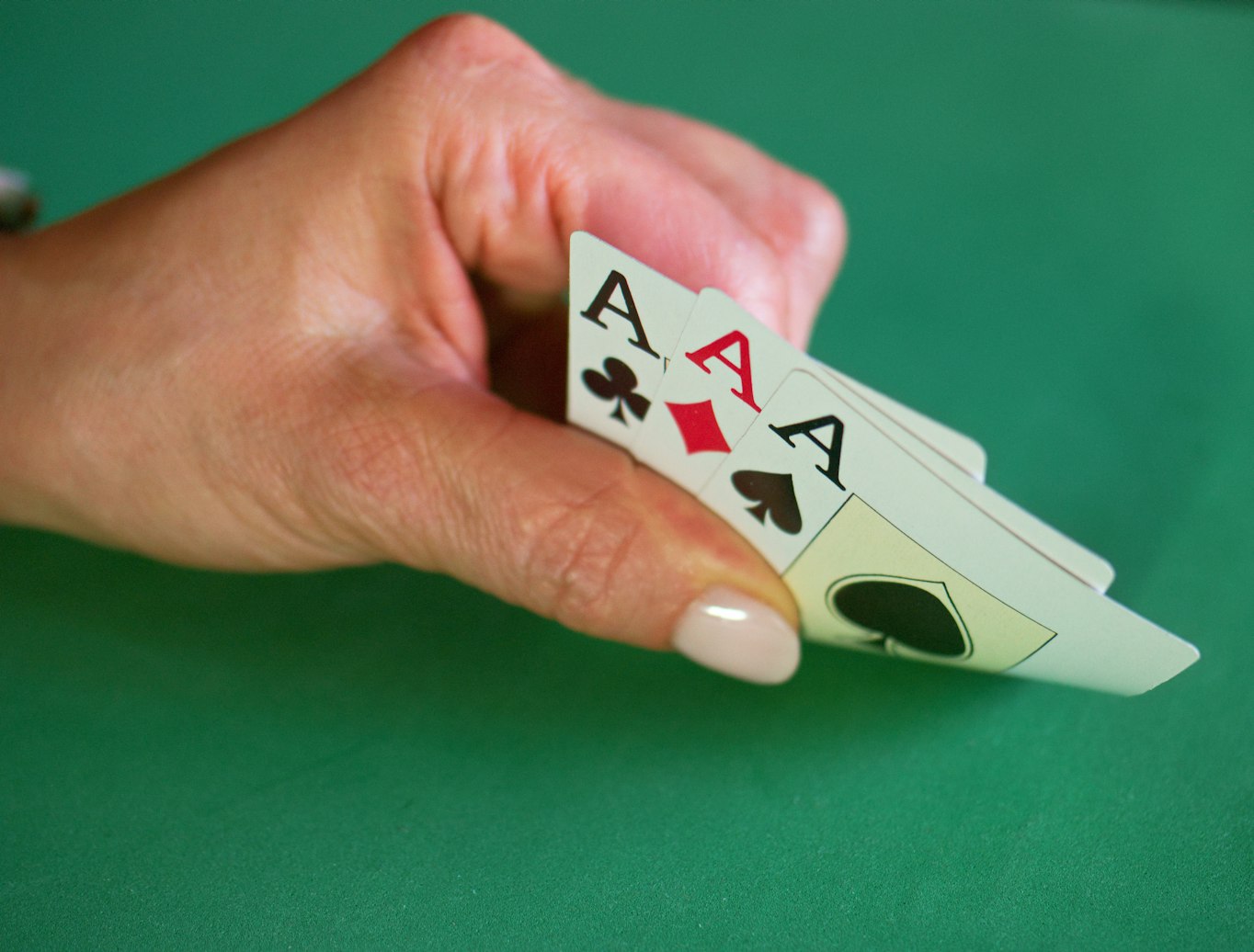
As societies progressed, the nature of gambling evolved. The emergence of card games in the Middle Ages added a new layer to gaming, creating a more social environment for players. These changes laid the groundwork for more formalized gambling establishments, leading to the creation of the first recognized casinos in the 17th century.
The Rise of the Casino
The term “casino” is derived from the Italian word for “little house,” reflecting the early structures that housed various forms of entertainment. The first official casino, the Ridotto, was established in Venice in 1638, offering controlled gaming amidst a vibrant social scene. This innovation marked the transition from informal gambling to more organized establishments, setting the stage for future developments in the gambling industry.
Throughout the 18th century, casinos began to flourish across Europe, particularly in France. The establishment of the Monte Carlo Casino in 1863 not only popularized gambling in the region but also became a cultural icon, attracting the elite from around the world. The allure of these luxurious venues contributed to the rise of gambling as an accepted pastime.
The American Casino Boom
The evolution of casinos took a significant turn in the United States during the 20th century. The legalization of gambling in Nevada in 1931 led to the birth of Las Vegas as a gambling capital. Initially known for its mobster-run establishments, Las Vegas evolved into a glitzy destination offering extravagant shows, fine dining, and luxury accommodations, all centered around casino gaming.
The post-World War II era saw a boom in casino development, with a focus on attracting tourists. The introduction of themed casinos, such as Caesar’s Palace and The Bellagio, created immersive experiences that appealed to a broader audience. This transformation significantly influenced global gambling culture, as cities around the world began to adopt similar models.
The Digital Transformation of Casinos
The late 20th and early 21st centuries marked the digital revolution’s impact on casinos. With the advent of the internet, online gambling became increasingly popular. The first online casino launched in 1994, paving the way for a new era of gaming that allowed players to enjoy their favorite games from the comfort of their homes. This shift not only expanded access but also diversified the types of games available, catering to different preferences and playing styles.
Today, online casinos offer a wide array of options, including live dealer games that simulate the experience of being in a physical casino. As technology continues to advance, features like virtual reality gaming and mobile applications further enhance the user experience, making gambling more interactive and engaging than ever before.

The Future of Casinos
The future of casinos is poised for continued evolution as societal attitudes toward gambling shift. Increasing acceptance of online gaming and advancements in technology suggest that casinos will adapt to meet changing consumer demands. Innovations such as blockchain technology for secure transactions and artificial intelligence for personalized gaming experiences are on the horizon.
As more countries reconsider their gambling regulations, the global casino landscape will continue to transform, merging traditional elements with modern advancements. This ongoing journey through time and culture highlights the resilience and adaptability of casinos, ensuring they remain a vibrant part of entertainment for years to come.